Author Interviews
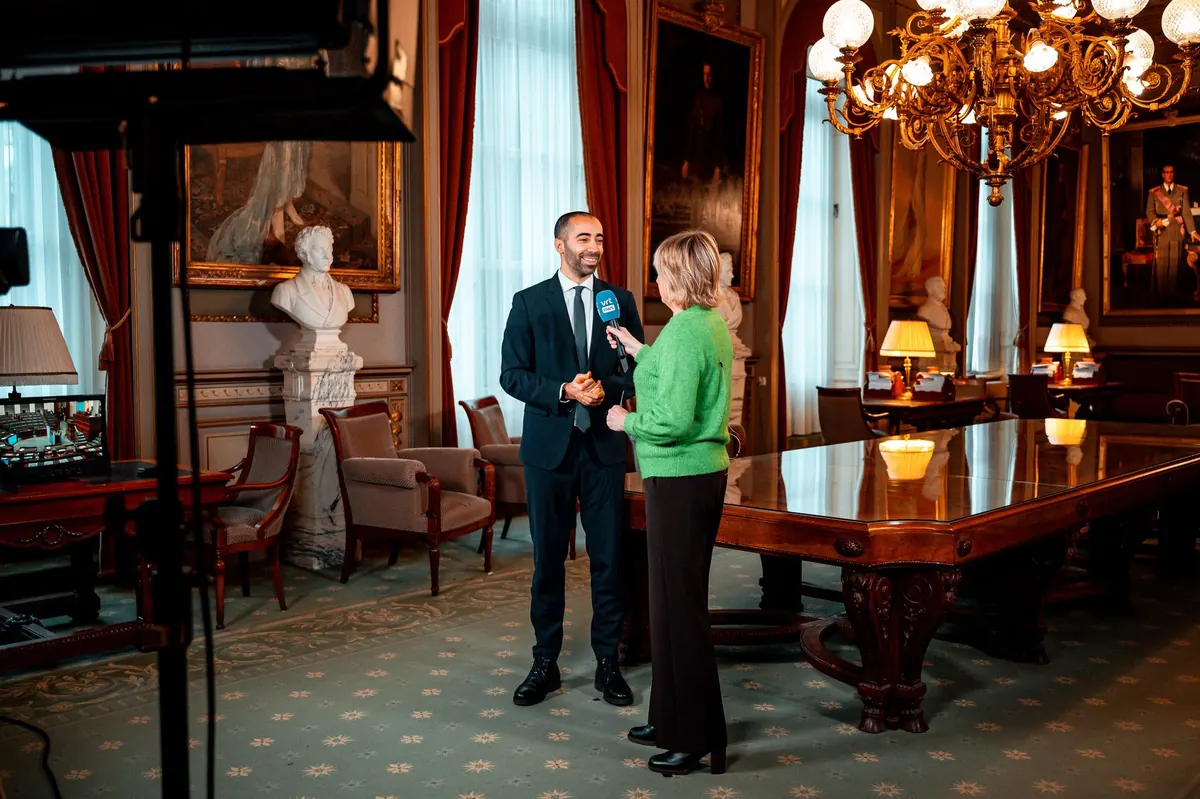
How to Write an Author Interview Readers Will Actually Finish
Most author interviews are abandoned in the middle. The first two answers get read; by the fifth, the reader's eye is sliding down the page looking for the end. It is rarely the author's fault. They have answered what they were asked. The trouble is usually upstream: a generic question, a missed follow-up, an answer left long and shapeless on the page. None of that is difficult to fix, but it does take some work before you send the first email.
Read the Book Before You Write a Word
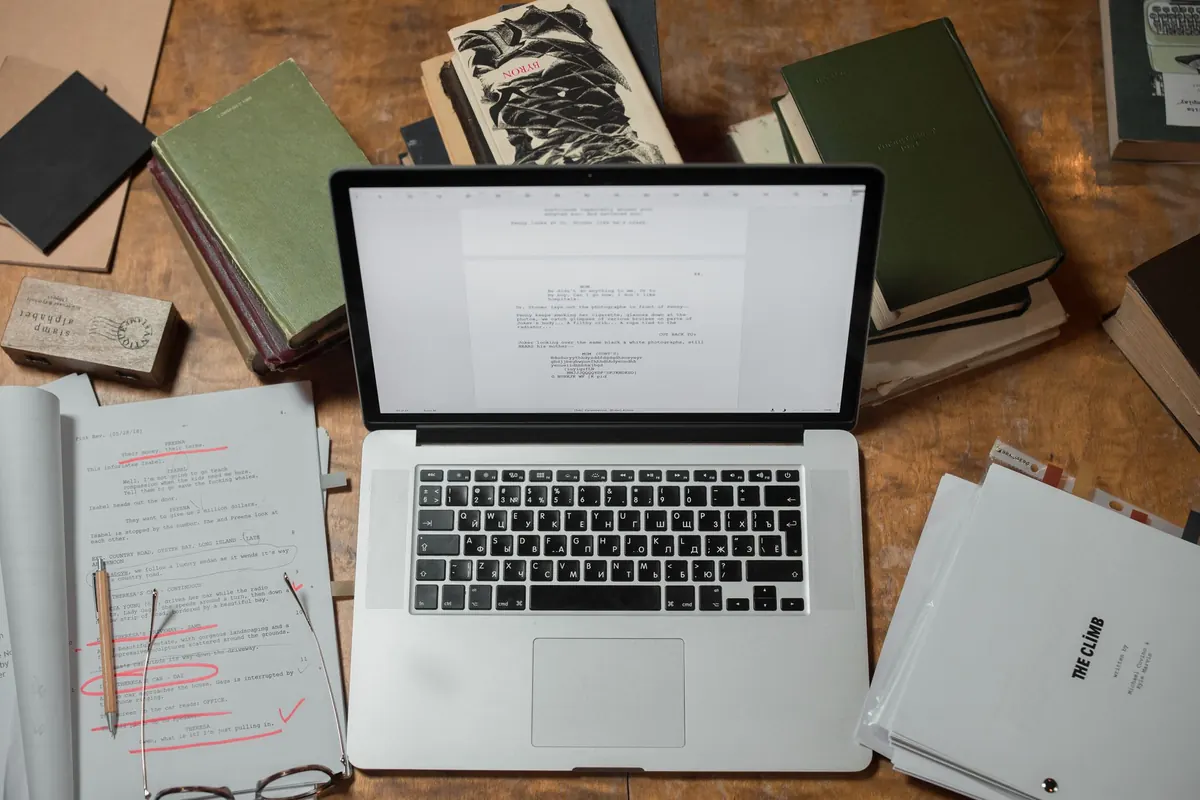
There is no shortcut here. You cannot interview a novelist about their novel if your knowledge of it comes from the jacket copy and a review you skimmed on the bus. Read the book. Mark it up as you go — a pencil in the margin, a note on your phone, whatever is quickest. You are looking for three things:
- Specific moments that made you stop, laugh, wince, or reread a paragraph twice.
- Decisions you cannot explain — a chapter told from an unexpected point of view, a character who vanishes, a title that seems to argue with the plot.
- Patterns across the whole book: recurring images, a shape to the sentences, a preoccupation that keeps returning.
Then do one more thing: read two or three interviews the author has already given. Not to copy them, but to make sure you are not asking the same six questions everyone else has asked since publication day. If something has been answered well elsewhere, either skip it or come at it from a new angle. "You've said the ending changed late on — I'd like to know what the earlier version did" is a better use of everyone's time than re-asking what the book is about.
Ask One Thing at a Time
The most common mistake in interview questions is the pile-up: "What drew you to this period, and how did you research it, and did the characters come first or the plot?" The author answers one part, forgets the rest, and you have lost two-thirds of a question. Ask one thing. If it is a good question, you will have a natural place to follow up in a moment.
Two rules of thumb help. Prefer open questions to closed ones: "Was it hard to write?" invites a yes or no, while "What was the hardest scene to get right?" invites an answer with texture. Prefer the specific to the general: "Where do your ideas come from?" will get you a polite shrug in paragraph form; "Chapter nine — the argument in the car — did you know how that ended before you wrote it?" will get you something real.
Keep your questions short, too. A question that runs to four lines tells the author you are nervous. A question that runs to one line tells them you are paying attention.
Structure the Conversation So It Builds
Readers finish interviews that feel as though they are going somewhere. That is partly the author's doing and partly, more than most interviewers admit, yours. Think of the Q&A as having a shape.
- Warm-up. One or two straightforward questions about the book's beginnings or the author's working life. These settle nerves and give the reader a way in.
- Craft. The middle is for how the thing was made: structure, voice, research, revision, the parts that did not work.
- Pressure. Once trust is established, ask the harder question — the one about the autobiographical thread, the ending you disagreed with, the book that took eleven years.
- Open ground. Finish by stepping back: what the author is reading, what they are writing next, what they hope the book does once it is out in the world.
Do not ration yourself too tightly. If an answer opens a door you had not planned for, walk through it and drop a prepared question later. Readers can tell the difference between a conversation and a questionnaire.
Follow Up Like You Mean It
Follow-ups are where good interviews are made. They signal that you read the answer rather than waiting for your turn to speak. Three moves cover most situations.
Ask for the scene, not the summary. If an author says the research was difficult, ask which afternoon of it was worst. Concrete answers are readable; abstractions are not.
Repeat their word back. "You said the draft felt smug. What did you mean by that?" Authors often drop the most interesting word in a sentence and move straight past it.
Use silence. A pause after an answer is not a gap to fill; it is an invitation. If you are interviewing by email, this becomes the gentle second message: "You mentioned X in passing — could you say a bit more about that?" Most authors will.
Edit Hard, and Keep Faith With the Answers
A transcript is not an interview. It is raw material. Your job is to make the author sound like themselves on their best day, which means cutting the false starts, the "sort of"s, the throat-clearing and the long detour into the weather. It does not mean rewriting their opinions into your own.
So tighten without distorting. Never change the sense of an answer, never sharpen a mild view into a provocative one, and never stitch two separate remarks together so that they read as a single claim. Tidy the grammar lightly where it helps comprehension; leave the rhythm alone. If a line is genuinely ambiguous, go back and check rather than guessing. When you have finished, read the whole thing aloud once. Anything you stumble over, the reader will stumble over too.
A note on length: cut until the interview is as long as it needs to be and no longer. Five strong answers beat twelve adequate ones.
Before You Publish: A Quick Checklist
- Does every question earn its place, and does each one ask a single thing?
- Do the follow-ups quote the author's own words back to them?
- Have you cut anything the author has already said in another interview?
- Are the facts right — names, titles, dates, the spelling of a character's name?
- Have you read it aloud, and would you finish it if you had not written it?
One last thing. Send the author a couple of lines of thanks afterwards, and tell them when it will run. It costs nothing, and it is the reason they will say yes next time.
Photo: Jitte Davidson / Pexels
Related Articles