Book Culture
Indie Bookshops vs Online Retailers: A UK Book Buyer's Comparison
A book is a book, whichever till it passes over — except it isn't quite. Buy the same paperback from a high-street bookshop and from a large online retailer, and you may pay different amounts, wait different lengths of time, and come away with a different sort of afternoon. Neither route is automatically better. Here's how the two compare on price, delivery, browsing, events and returns, plus a few ways to get the best of both.
Price: what you are really paying for
Online retailers can discount hard because their costs sit in warehouses rather than shopfronts. In the UK, a publisher's recommended price is only a recommendation: the Net Book Agreement, which once fixed prices across the trade, was abandoned in the 1990s, and discounting is now widespread on new hardbacks and big-name fiction.
Independents rarely match those cuts. Margins on books are thin, and a shop that knocks a large slice off everything closes within a couple of years. What you often get instead is a full-price recommendation, a second-hand shelf, or a stock of small presses and translated fiction the supermarkets never carry.
Do the arithmetic honestly, though. Add postage if you fall under a free-delivery threshold. Add the impulse purchase you hadn't planned. Add your own time. The gap narrows far more often than the cover price suggests.
Delivery: speed versus anticipation
Online retail wins on logistics. Order before a stated cut-off and the book arrives next day; order a stack and one van brings the lot. Second-hand marketplace sellers are slower, and the packaging varies from careful to alarming, but the range is extraordinary — including titles no shop could afford to keep in stock.
A bookshop offers immediacy. If the title is on the shelf, you own it in the time it takes to pay. If it isn't, most independents will order it in — usually a few days, sometimes next day — and ring or email you when it lands. That wait has its own pleasure, and there's no cardboard to deal with afterwards.
Browsing: recommendation engines versus shelves
Online search is unbeatable when you know what you want: type the title, check the edition, pay, done. The weakness is discovery. Recommendation engines tend to show you more of what you already read, which is handy for sequels and less so for surprise.
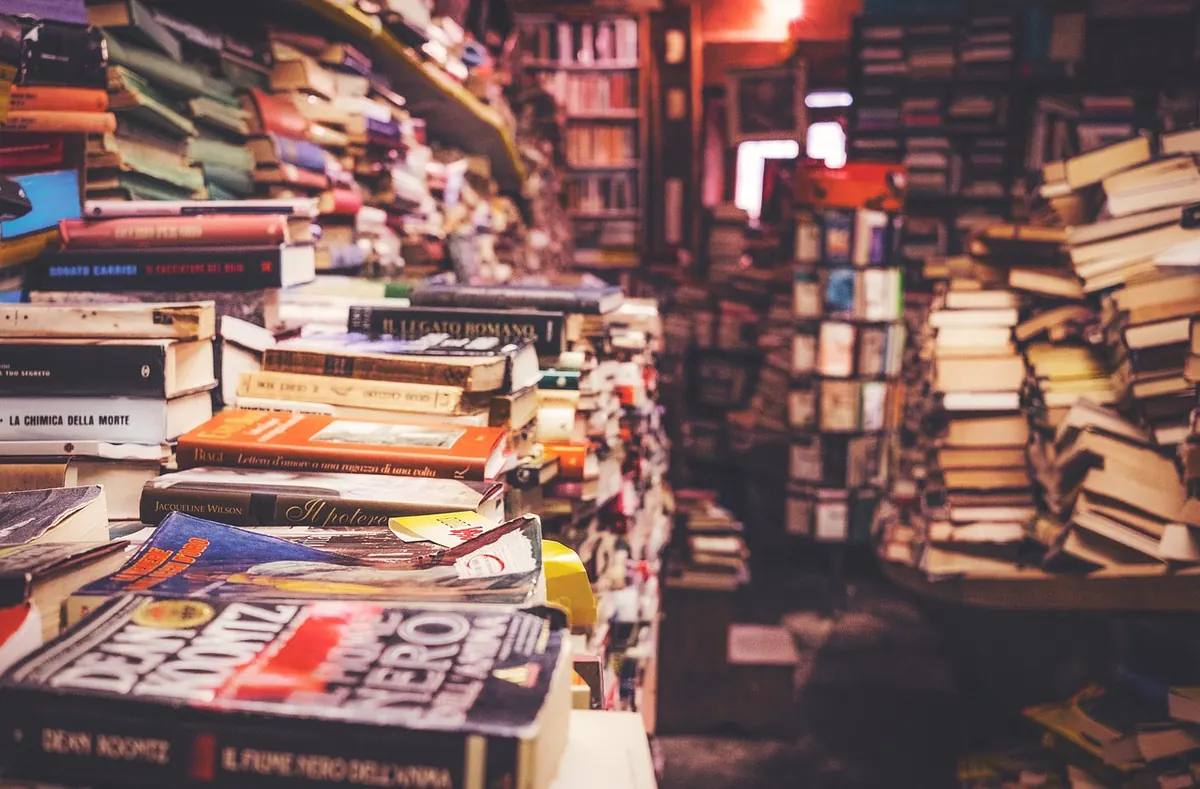
A shop does the opposite. You walk past a table of new fiction, a shelf of nature writing, a display someone built by hand. You pick up a spine because the cover catches you. A bookseller says, “if you liked that, try this one” — and they mean it, because they've read it.
A browsing trick that works
Set yourself a rule before you go in: one book you came for, one you didn't. It keeps the visit purposeful without killing the accident that made you a reader in the first place.
Events: the bit online retail cannot copy
Indie shops run launches, readings, signings, book clubs, poetry nights and Saturday story hours. Online retailers occasionally stream author conversations, and publishers run their own digital events, but a screen doesn't introduce you to the person in the next seat.
If you're weighing up a ticketed event, check whether the price includes a copy of the book. It often does, which can make the evening better value than it first appears.
Returns and refunds: the small print that catches people out
This is where the two routes differ most sharply, and where shoppers are most often surprised.
Buying online counts as a distance sale. Under UK consumer law you generally have 14 days from receiving the goods to cancel and send them back, and you're entitled to a refund — though you may have to pay return postage unless the item is faulty or not as described. Books bought in a physical shop carry no automatic statutory right of return if you simply change your mind. Most independents will still help with an exchange or a credit note, especially if the book is unmarked and you have the receipt. Ask at the till before you buy; it takes ten seconds.
Two further points: signed and limited editions are sometimes excluded from returns, and a book dedicated to someone else is almost impossible to return. If a dispute does escalate, Citizens Advice can explain your options; for anything complicated, a solicitor can advise.
Choosing between them: a quick guide
- Buy online when you know the exact title and edition, when you're buying several books at once, when it's a heavy reference work, or when the book is long out of print.
- Buy in a shop when you want to browse, need advice on a gift, want the book today, or want to support a business that pays local rent and wages.
- Do both by asking your local shop to order the title you spotted cheaper online. Most can get anything in print, and you collect it in person.
A practical approach for most readers
You don't have to pick a side. A workable routine looks something like this:
- Decide what kind of purchase it is. A specific, known title is a transaction; a browse is an outing. Treat them differently.
- Check your local shop's ordering service before assuming online is the only way to get a book.
- Compare the full cost, not the cover price: postage, delivery time, and what happens if the book turns out to be wrong.
- Spend part of your book budget in shops deliberately — a monthly visit, a book club pick, a Christmas gift.
- Keep receipts and ask about the returns policy before you pay, in either direction.
There's no moral prize for buying one way or the other, and no shame in chasing a discount. What matters is that you end up with the books you want
Photo: PublicCo / Pixabay
Related Articles